Cybersecurity Interviews: What the Question Is Actually For
Lists of fifty questions with model answers optimise for the wrong thing. Interviewers are working out how you think, where your knowledge stops, and whether you will say so when it does.
Practical technology knowledge
Tutorials, guides, comparisons and analysis on security, Linux, networking, development, cloud and the tooling that powers modern technology — written by practitioners, for practitioners.
Free tools
Most run entirely in your browser, so nothing you paste — a token, a password, production data — is ever sent to us.
Most small web tools upload whatever you paste to a server you know nothing about, and most of that paste is a production token. The browser can do all of it locally now — and a CSP lets you prove it rather than claim it.
Lists of fifty questions with model answers optimise for the wrong thing. Interviewers are working out how you think, where your knowledge stops, and whether you will say so when it does.
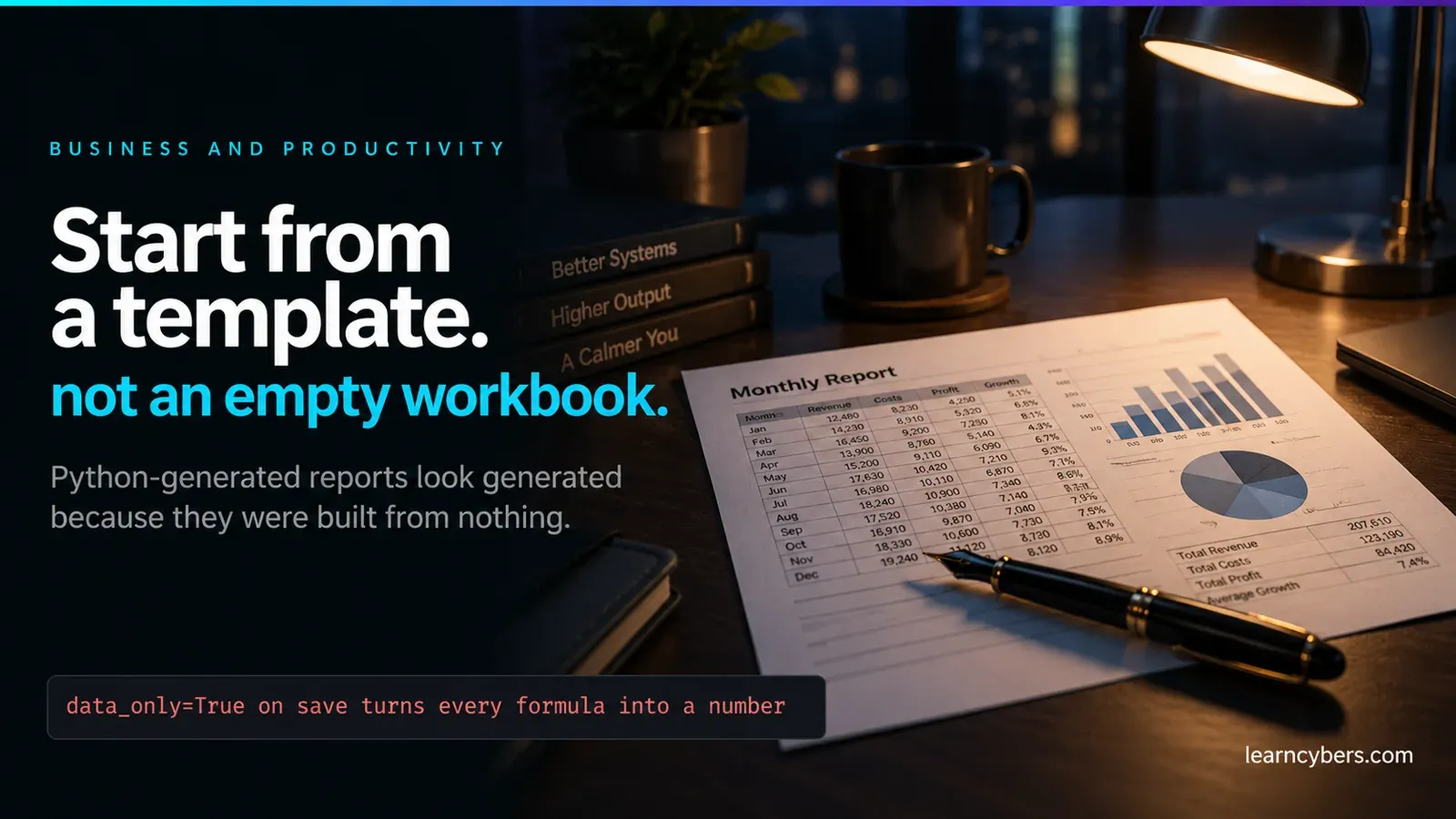
Python-generated reports look generated because they were built from nothing. Open a workbook someone designed and fill it instead — and learn the one flag that silently turns every formula in a file into a static number.
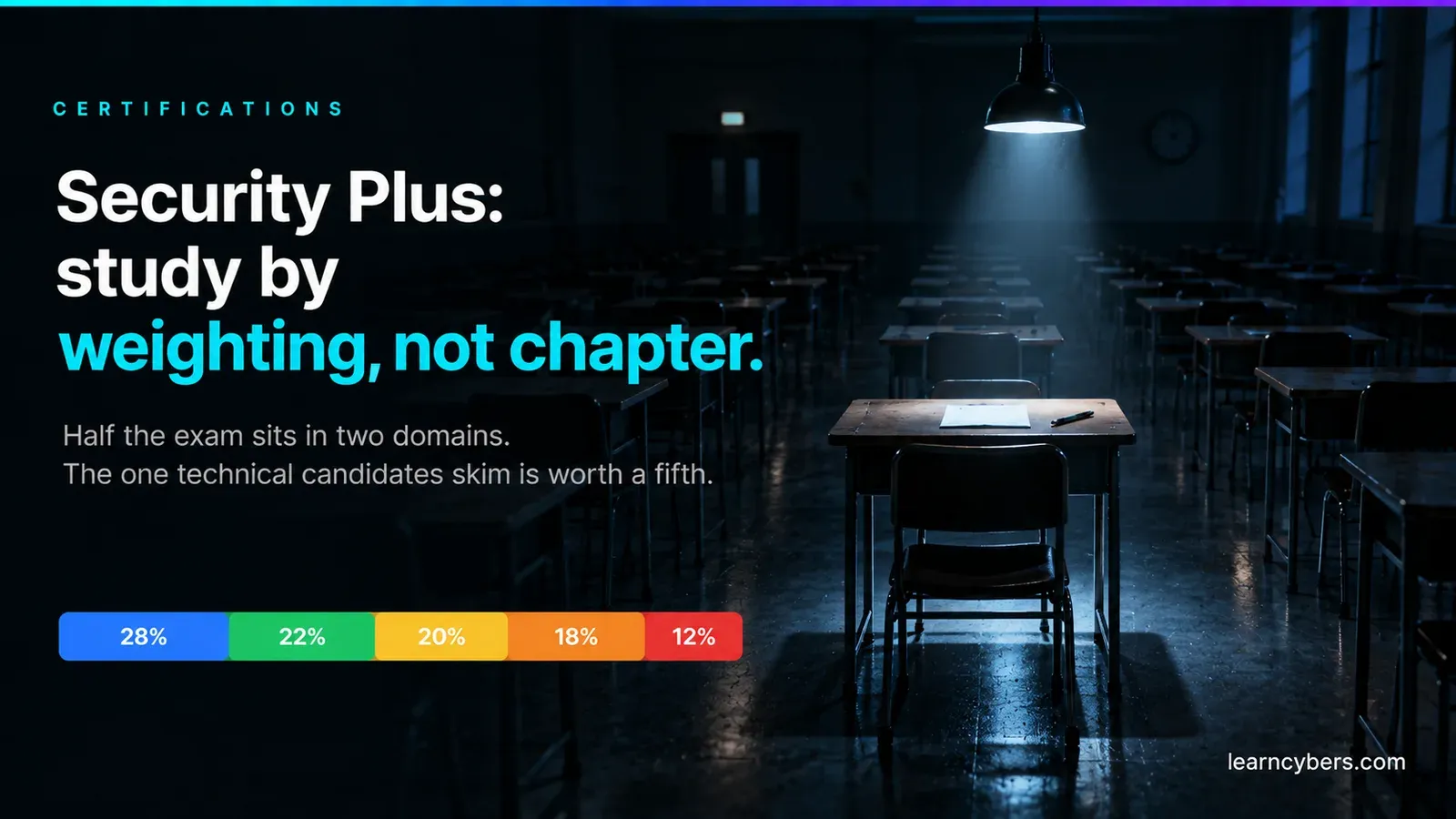
Almost everyone studies for this wrong — a course start to finish, port numbers memorised, then an exam that asks for judgement on scenarios. Here is where the marks are and the one tactic that decides whether you finish in time.
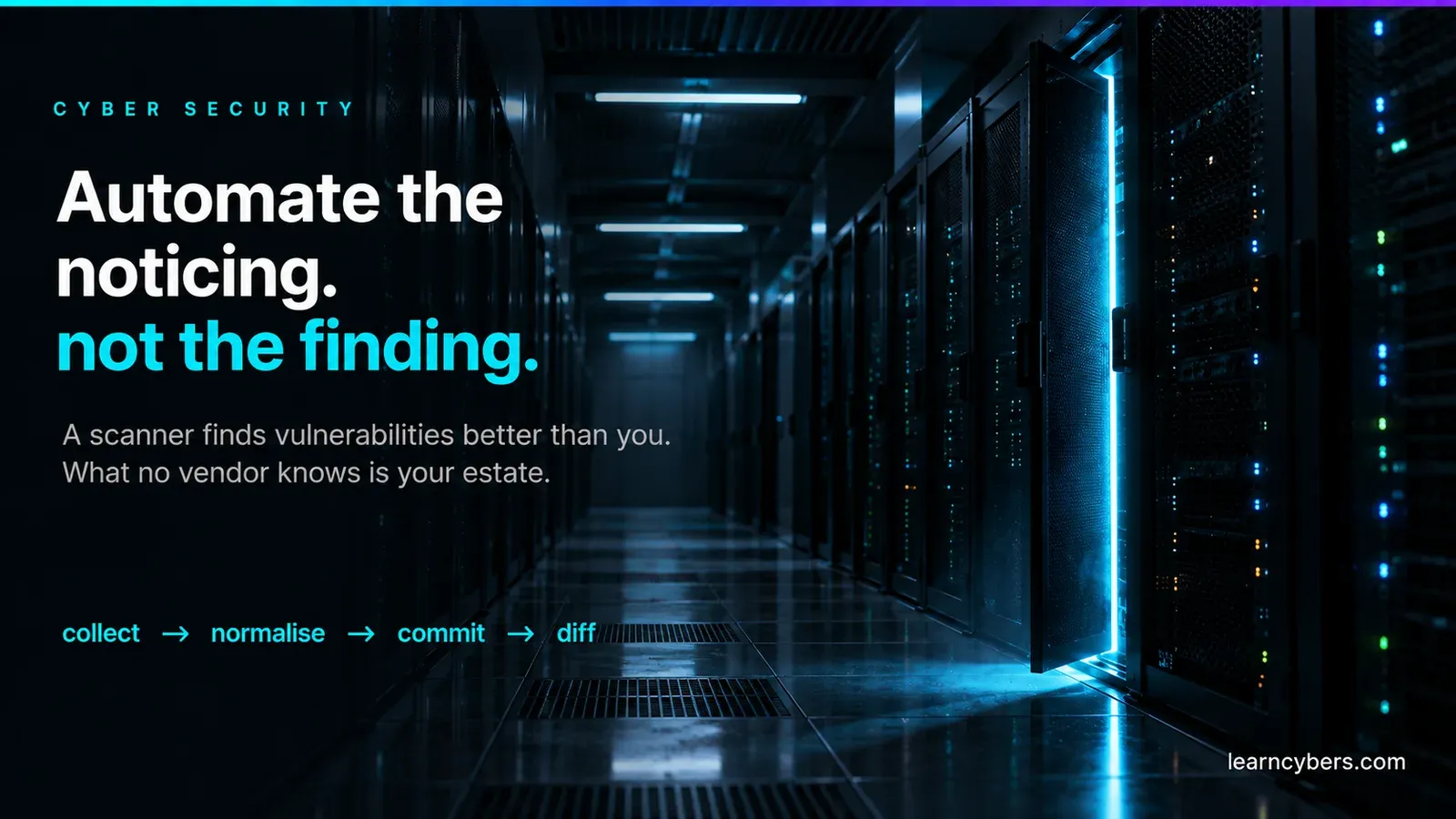
A scanner finds vulnerabilities better than any script you will write. What no vendor knows is what your estate is supposed to look like — so automate change detection, and let git be the diffing engine.
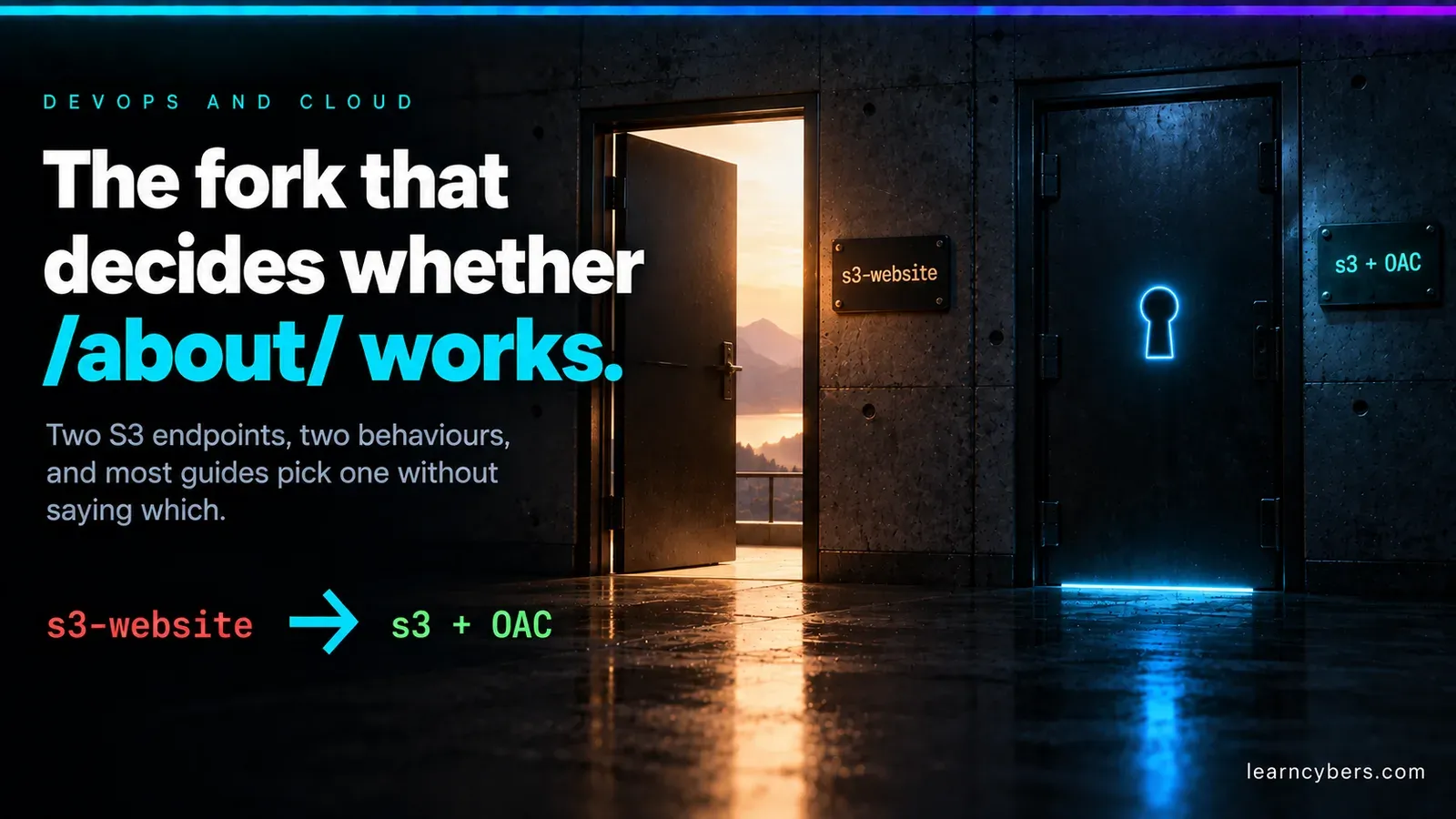
Two S3 endpoints, two behaviours, and most guides pick one without saying which. One gives you working directory URLs and a public bucket; the other gives you a private bucket and a 403 on every folder path.
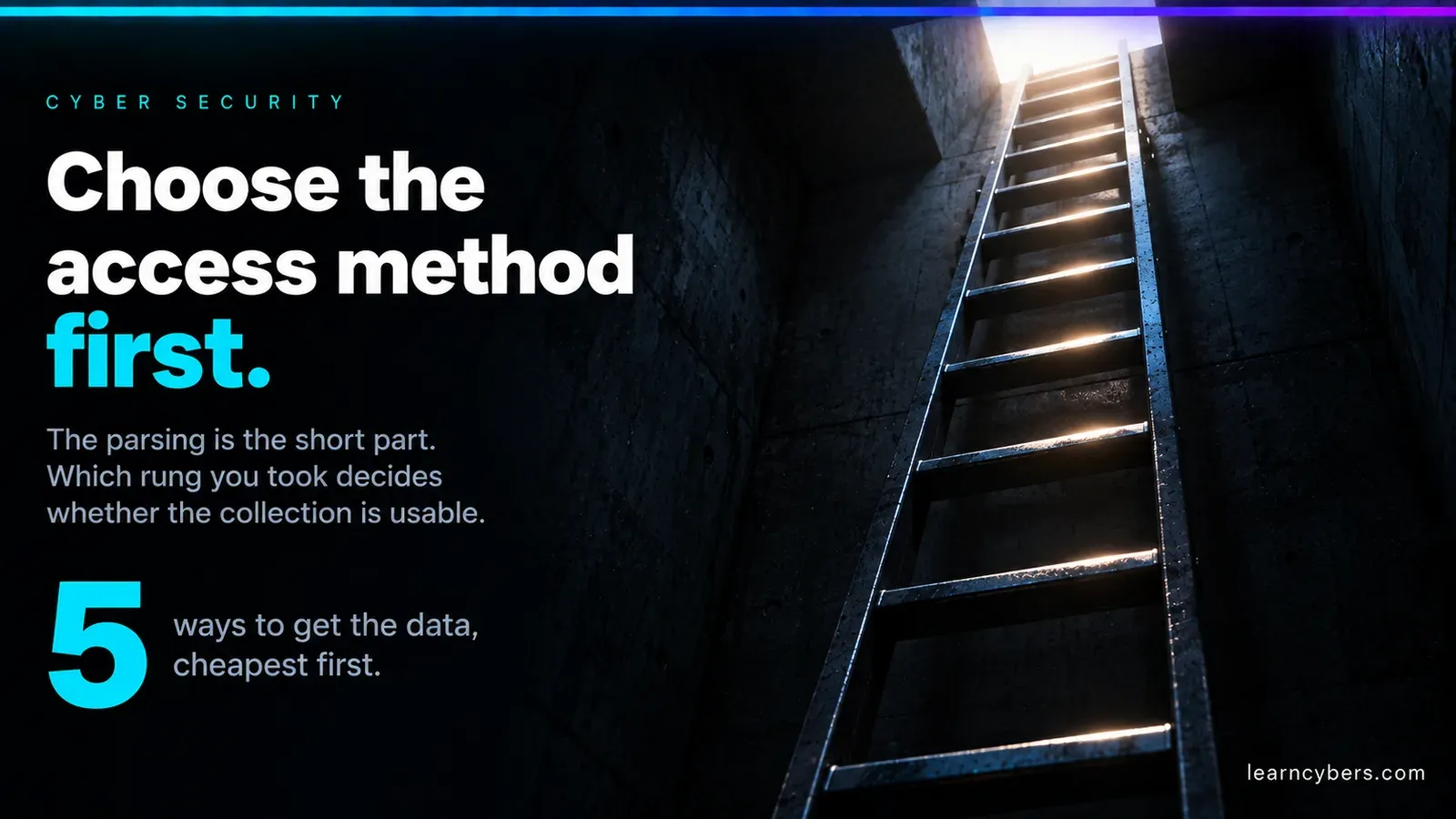
The parsing is the short part. What decides whether your collection is usable is which rung of the access ladder you took, what you did with personal data afterwards, and whether you can still say where each fact came from.
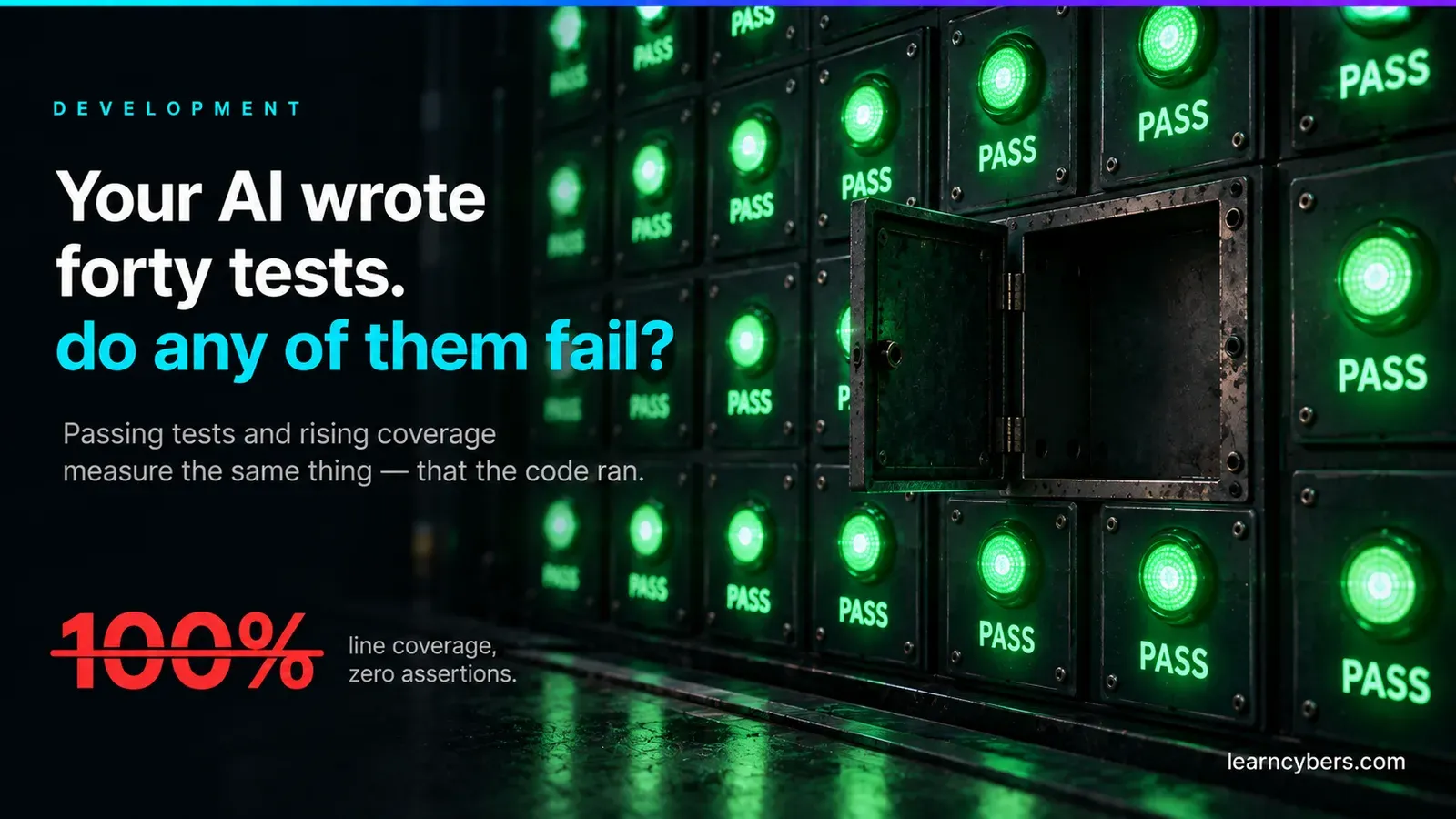
Passing tests, rising coverage and a green badge all measure the same thing — that the code ran. None of them tell you anything was checked. Here is how to find the tests that defend nothing.
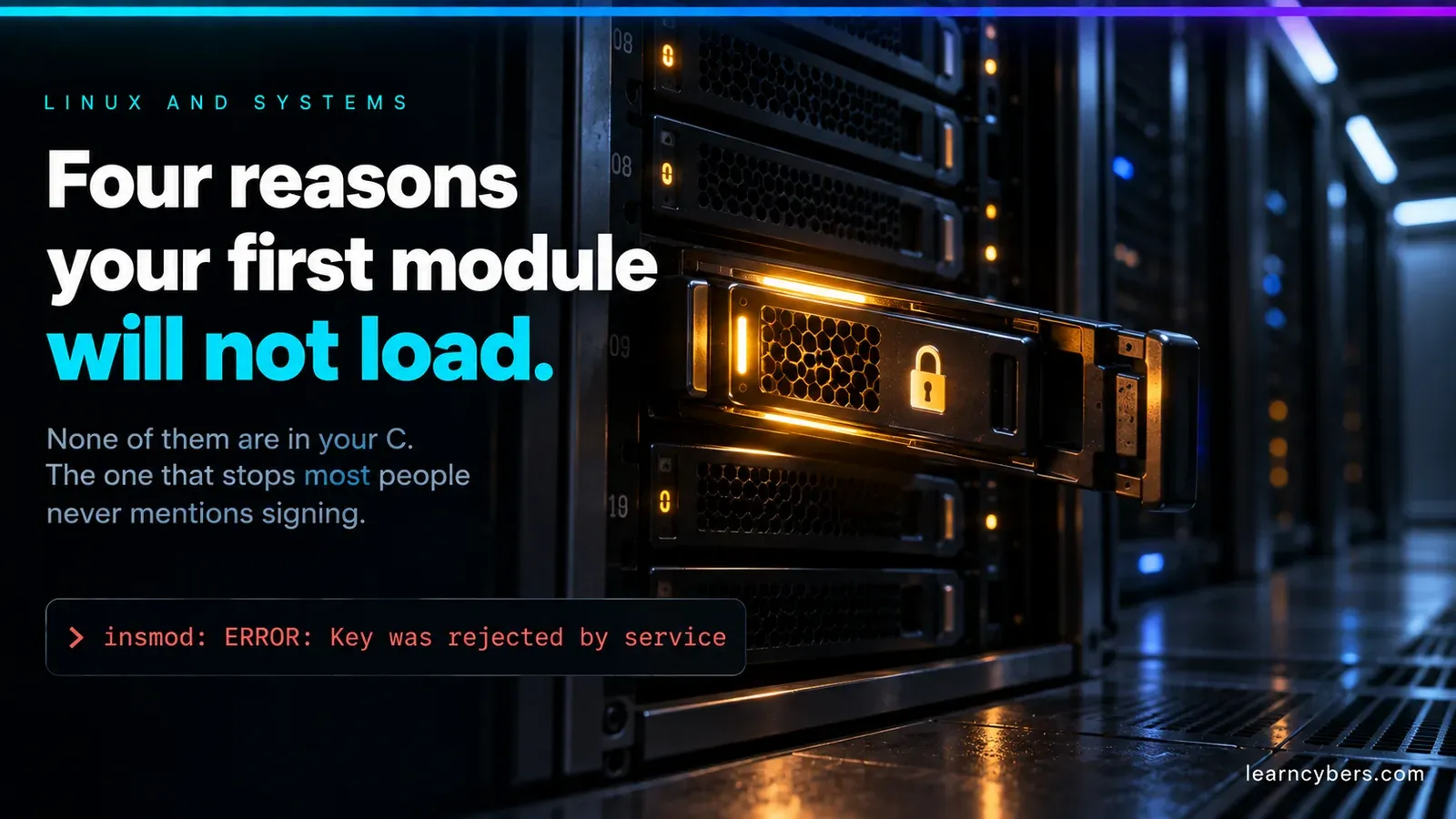
The C is twenty lines. Getting it to load on a machine bought in the last few years is the hard part, and Secure Boot is the reason — an error that says nothing about signing.
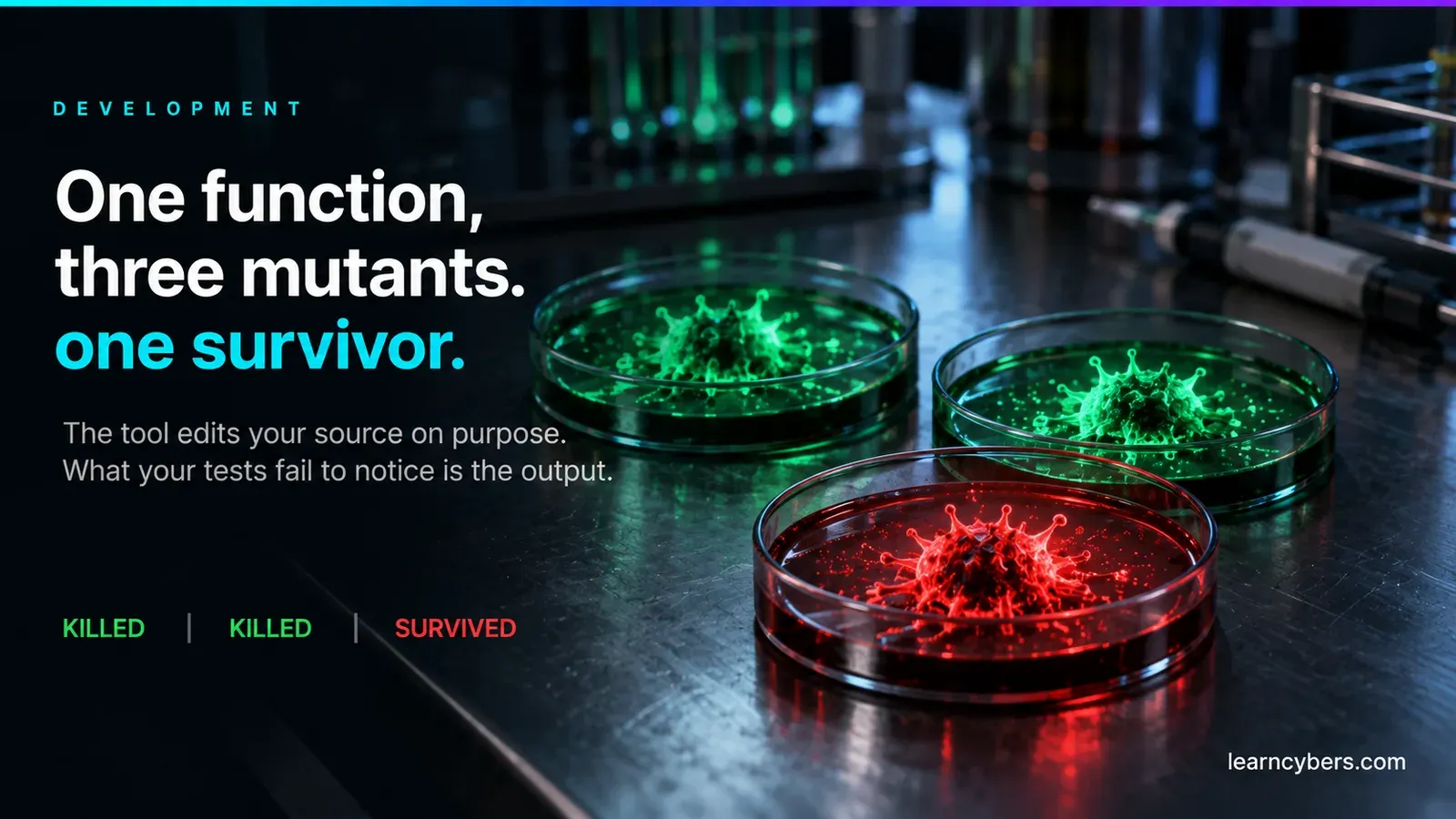
Coverage says a line ran. Mutation testing says whether anything would notice if that line were wrong. The idea takes a sentence; making it finish before you lose interest takes a plan.